

Introduction to Panic Bar Installation in McHenry, Illinois
The importance of panic bar installation cannot be overstated. Buildings with high occupancy, public access, or specific safety requirements must comply with International Building Code (IBC) standards and National Fire Protection Association (NFPA) guidelines. Our team at McHenry Chicago Locksmith stays current with all applicable codes and regulations, ensuring that every installation we complete provides maximum safety while meeting or exceeding all legal requirements. When you choose our services at 3636 Municipal Dr, McHenry, IL 60050, you're partnering with professionals who understand that proper exit device installation can literally save lives.
Our Comprehensive Panic Bar Installation Process
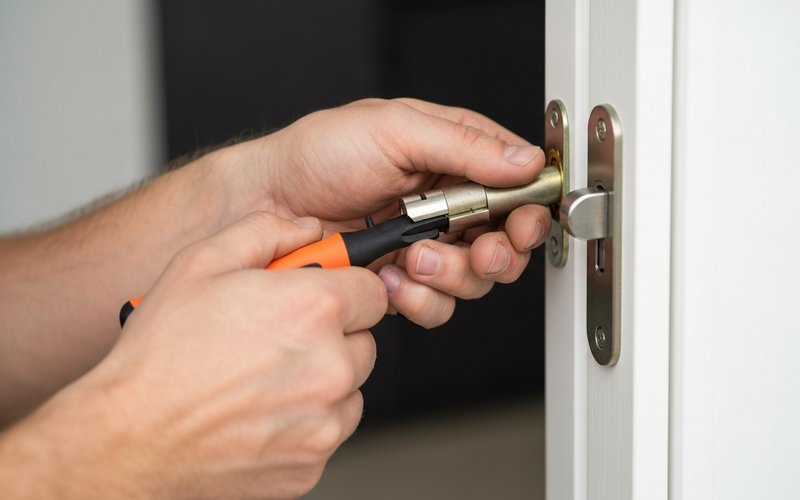
At McHenry Chicago Locksmith, we follow a meticulous, systematic approach to panic bar installation that ensures optimal functionality, code compliance, and long-term reliability. Our process begins with a thorough assessment of your specific needs, building layout, and applicable safety requirements.

Initial Consultation and Site Assessment: Our certified technicians start by evaluating your property, examining door types, traffic patterns, occupancy levels, and existing security measures. We measure door dimensions, assess door material and construction, evaluate frame conditions, and identify any special considerations such as fire ratings or weather exposure. This comprehensive assessment allows us to recommend the most appropriate panic bar system for your specific application.
Code Compliance Verification: We review all applicable building codes, fire safety regulations, and local McHenry ordinances that apply to your property. Different building types have different requirements—educational facilities, healthcare buildings, high-rise structures, and places of assembly each have specific standards. Our expertise ensures your installation will pass inspection and meet all regulatory requirements.
Hardware Selection and Customization: Based on our assessment, we help you select the ideal panic bar hardware. Options include rim-mounted devices, mortise lock devices, vertical rod systems, and concealed vertical cable systems. We consider factors such as security needs, aesthetic preferences, door construction, and budget considerations. Our inventory includes premium brands known for reliability and durability.
Professional Installation: Our technicians execute the installation with precision and attention to detail. We properly position the panic bar at the correct height (typically 34-48 inches from the floor), securely mount all components, ensure proper alignment for smooth operation, install strike plates or latches correctly, and test the mechanism thoroughly. Every installation includes verification that the door opens with no more than 15 pounds of force, as required by ADA accessibility standards.
Final Testing and Client Education: Before completing any job, we conduct comprehensive functionality tests, verify that all components operate smoothly, ensure proper latching and security when closed, test from both interior and exterior perspectives, and provide you with operation and maintenance instructions. We also offer guidance on periodic inspection procedures to maintain optimal performance.
Types of Panic Bar Installation Services We Offer
Commercial Door Panic Bar Installation in McHenry, IL
Commercial properties face unique challenges regarding emergency egress and security. Our commercial door panic bar installation services cater to retail stores, restaurants, shopping centers, office buildings, and business complexes throughout McHenry. We understand that commercial spaces require solutions that balance security during business hours with immediate egress capability. Our installations include panic devices with key-override functions, allowing authorized personnel to secure entrances while maintaining code-compliant emergency exit functionality. We work efficiently to minimize disruption to your business operations, offering after-hours installation when needed.
Fire Exit Door With Panic Bar Installation
Fire-rated doors require specialized panic hardware that maintains the door's fire rating while providing reliable emergency egress. Our fire exit door panic bar installation service includes only fire-rated hardware certified for use with fire-rated door assemblies. We ensure proper installation that doesn't compromise the door's fire resistance, maintaining required clearances, using appropriate fire-rated components, and completing installations according to manufacturer specifications. These installations are critical for building code compliance and occupant safety, particularly in multi-story buildings, industrial facilities, and public assembly spaces.
Electric Panic Bar Installation in McHenry, Illinois
Modern security systems often require integration between panic hardware and electronic access control systems. Our electric panic bar installation services incorporate panic devices with electric locking mechanisms, access control integration, alarm functionality, and delayed egress features where permitted by code. These sophisticated systems allow building managers to maintain security while ensuring immediate egress during emergencies. Electric panic bars can be integrated with building management systems, providing logging capabilities, remote monitoring, and coordinated security responses.
Sliding Door Panic Bar Installation in McHenry, Illinois
Sliding doors present unique challenges for panic hardware installation. Our sliding door panic bar installation expertise includes automatic sliding door systems, manual sliding doors, and horizontal sliding security doors. We install specialized panic hardware designed specifically for sliding door applications, ensuring smooth operation, proper breakaway functionality in emergencies, and compliance with accessibility requirements. These installations are common in healthcare facilities, retail entrances, and modern commercial buildings where sliding doors provide space-saving benefits.
Roller Gate Panic Bar Installation in McHenry, Illinois
Security roller gates and rolling shutters used in commercial applications can present egress challenges that require specialized solutions. Our roller gate panic bar installation services address these challenges by incorporating wicket doors with panic hardware, emergency release mechanisms, and rapid-opening systems that comply with fire codes. We ensure that security measures don't compromise life safety, designing solutions that provide both robust security during closed periods and code-compliant egress when the building is occupied.
Automatic Gate Panic Bar Installation in McHenry, Illinois
For properties with automatic gates and barriers, automatic gate panic bar installation ensures that these security features don't impede emergency egress. We install panic release systems that automatically disengage gate locking mechanisms when panic hardware is activated, providing unobstructed exit paths during emergencies. These systems can be integrated with access control, alarm monitoring, and building automation systems for comprehensive security management.
Residential Door Panic Bar Installation in McHenry, IL
While most commonly associated with commercial applications, panic bars also serve important functions in residential settings. Our residential door panic bar installation services cater to multi-family buildings, apartment complexes, condominiums, and single-family homes with special safety requirements. Residential applications might include basement egress doors, common area exits, pool gates, and home businesses. We select hardware appropriate for residential aesthetics while maintaining full functionality and code compliance.
Aluminum Panic Bar Installation in McHenry, IL
Aluminum panic bars offer excellent corrosion resistance, making them ideal for exterior applications or environments with moisture exposure. Our aluminum panic bar installation service includes lightweight yet durable devices that perform reliably in harsh weather conditions. Aluminum hardware is particularly well-suited for coastal properties, facilities with wash-down requirements, and applications where weight considerations are important.
Metal Panic Bar Installation in McHenry, Illinois
For high-traffic commercial applications and industrial facilities, heavy-duty metal panic bar installation provides exceptional durability and longevity. Steel and stainless steel panic devices withstand intensive use, resist vandalism, and maintain functionality even under demanding conditions. We recommend metal panic bars for schools, public buildings, warehouses, manufacturing facilities, and any environment where robust construction is essential.
Office Door Panic Bar Installation in McHenry, Illinois
Office environments require panic hardware solutions that maintain professional aesthetics while ensuring occupant safety. Our office door panic bar installation services include sleek, modern designs that complement contemporary office architecture. We install panic devices on executive suite exits, conference room emergency exits, stairwell doors, and main office entrances. These installations can be integrated with office access control systems, providing both security and compliance with building codes.
Door Push Bar Installation in McHenry, IL
The term "push bar" is often used interchangeably with panic bar, though technically it may refer to simpler devices. Our door push bar installation encompasses the full range of exit devices, from basic mechanical panic bars to sophisticated electronic systems. We help clients understand the differences between various device types and select the appropriate solution for their specific application, ensuring optimal performance and code compliance.
Panic Bar Latch Installation
Panic bar latch installation involves the critical strike-side hardware that secures the door when closed and releases when the panic bar is activated. We install various latch types including rim latches for surface-mounted applications, mortise latches for doors with mortise lock preparations, and vertical rod latches that secure doors at both top and bottom. Proper latch installation is essential for both security and reliable operation during emergencies.
Why Choose McHenry Chicago Locksmith for Panic Bar Installation
When you select McHenry Chicago Locksmith for your panic bar installation needs, you're choosing a company with deep roots in the McHenry community and an unwavering commitment to safety and quality. Located at 3636 Municipal Dr, McHenry, IL 60050, we're ideally positioned to serve properties throughout McHenry County with rapid response times and personalized service.
Certified and Experienced Technicians: Our installation team consists of licensed, insured, and certified locksmith professionals with extensive training in panic hardware systems. We maintain ongoing education in the latest codes, products, and installation techniques, ensuring that every project benefits from current best practices and industry expertise. Our technicians have completed hundreds of panic bar installations across diverse property types, giving us the experience to handle any challenge your project might present.
24/7 Emergency Service Availability: Safety emergencies don't respect business hours. That's why we offer 24/7 emergency panic bar installation and repair services throughout McHenry, IL. Whether you're dealing with a failed exit device, damage from a break-in attempt, or a last-minute code compliance issue, our team responds promptly to restore safe egress to your property. We maintain fully-equipped service vehicles and comprehensive inventory to handle emergency situations efficiently.
Code Compliance Expertise: Building codes and fire safety regulations are complex and constantly evolving. Our team stays current with International Building Code (IBC) requirements, NFPA 101 Life Safety Code provisions, Americans with Disabilities Act (ADA) accessibility standards, and local McHenry ordinances. We ensure every installation meets or exceeds all applicable requirements, protecting you from liability and ensuring your building passes inspections without complications.
Quality Hardware from Trusted Manufacturers: We partner with industry-leading panic hardware manufacturers known for reliability, durability, and innovation. Our inventory includes products from premium brands that have proven their performance across millions of installations worldwide. We never compromise on hardware quality because we understand that panic bars serve a critical life-safety function that demands absolute reliability.
Comprehensive Service Approach: Beyond installation, we provide ongoing support including maintenance programs, periodic inspections, repair services, and hardware upgrades. We view our relationship with clients as long-term partnerships, ensuring your panic hardware continues to function optimally throughout its service life. Our preventive maintenance programs identify potential issues before they become safety hazards or compliance problems.
Transparent Communication and Customer Education: We believe informed clients make better decisions. Throughout every project, we explain our recommendations, discuss options clearly, and ensure you understand how your panic bar system functions. We provide written documentation of all work, including product specifications, warranty information, and maintenance guidelines. Our commitment to transparency means you'll never encounter surprises or hidden aspects to our service.
Local McHenry Presence: As a locally-based business serving McHenry from 3636 Municipal Dr, we're invested in our community's safety and prosperity. We understand local building requirements, maintain relationships with local inspectors and authorities having jurisdiction, and take pride in contributing to the safety of buildings throughout our region. Our local presence means faster response times, personalized service, and a team that genuinely cares about our neighbors.
Common Situations Requiring Panic Bar Installation
Understanding when panic bar installation is necessary helps property owners and managers maintain compliance and protect occupants. Here are the most common scenarios that require professional panic hardware installation:
New Construction and Renovation Projects: Building codes typically require panic hardware on doors serving as exits from spaces with occupant loads exceeding 50 people, or in educational occupancies serving occupant loads of 50 or more. New construction projects and major renovations must incorporate appropriate exit devices during the planning phase. We work with contractors, architects, and building owners to specify and install code-compliant panic hardware that integrates seamlessly with overall building design.
Code Compliance Upgrades: Many older buildings were constructed before current panic bar requirements existed. When these properties change ownership, undergo renovations, or face code enforcement actions, panic bar installation becomes necessary to bring the building into compliance. We help property owners navigate these upgrade requirements, recommending solutions that meet current codes while respecting the building's existing architecture and budget constraints.
Occupancy Classification Changes: When a building's use changes, its exit requirements often change as well. A warehouse converted to a retail space, an office building becoming a restaurant, or a residence transformed into a daycare facility may require panic hardware where none previously existed. We evaluate occupancy classifications and install appropriate exit devices to match new use patterns and regulatory requirements.
Failed or Damaged Exit Devices: Panic bars experience constant use and occasional abuse. Over time, internal mechanisms wear, external components become damaged, and devices may fail to operate reliably. When exit hardware fails, it creates both a safety hazard and a code violation. Our panic bar installation services include replacing failed devices promptly, restoring safe egress, and ensuring continued compliance.
Security Enhancement Projects: Many property owners install panic bars as part of comprehensive security upgrades. Modern panic devices can be integrated with access control systems, providing keyless entry management while maintaining unrestricted egress. These installations enhance security during normal operations while ensuring occupants can exit freely during emergencies—the ideal balance for commercial properties.
Insurance and Liability Concerns: Insurance carriers increasingly require proper panic hardware on commercial properties, particularly in high-occupancy applications. Inadequate exit devices can increase liability exposure and even void insurance coverage in the event of an emergency. We help property owners address insurance requirements through professional installation of appropriate panic bar systems.
Fire Marshal Requirements: Following fire safety inspections, building owners may receive notices requiring panic bar installation on specific doors. Fire marshals enforce egress requirements rigorously because inadequate exits contribute to casualties during fire emergencies. When you receive such a notice, prompt compliance is essential. Our team at McHenry Chicago Locksmith can expedite installation to meet deadline requirements and ensure your building passes re-inspection.
High-Traffic Environment Needs: Schools, hospitals, public buildings, entertainment venues, and retail stores all experience high traffic that creates wear on door hardware. Conventional locksets and exit devices may not withstand this intensive use. Commercial-grade panic bar installation provides the durability necessary for high-traffic environments, reducing maintenance requirements and ensuring reliable operation despite constant use.
ADA Accessibility Improvements: The Americans with Disabilities Act requires that exit hardware be operable with no more than 5 pounds of force and not require tight grasping, pinching, or twisting of the wrist. Many older door systems don't meet these requirements. Panic bars inherently satisfy ADA requirements by design, making them an excellent solution when upgrading buildings for accessibility compliance.
Service Areas Throughout McHenry and Surrounding Communities
McHenry Chicago Locksmith proudly serves properties throughout McHenry, Illinois and surrounding communities from our convenient location at 3636 Municipal Dr, McHenry, IL 60050. Our service area encompasses a comprehensive region across McHenry County, ensuring rapid response times and local expertise for all your panic bar installation needs.
McHenry, IL: As our home base, McHenry receives our most comprehensive service coverage. We serve commercial districts along Route 120, industrial properties near the municipal airport area, retail locations throughout downtown McHenry, office buildings along Route 31, and residential communities across the entire city. Our local presence means we understand McHenry's building landscape, maintain relationships with local building officials, and can respond to emergency calls quickly.
Surrounding McHenry County Communities: Our service area extends throughout McHenry County, including Crystal Lake, Woodstock, Lake in the Hills, Huntley, Algonquin, Cary, Fox River Grove, Island Lake, Johnsburg, Spring Grove, Richmond, and Harvard. We regularly serve commercial properties, industrial facilities, educational institutions, healthcare facilities, and multi-family residential buildings throughout these communities.
Northern Illinois Region: While focused on McHenry County, we also serve properties in northern Cook County, southern Wisconsin communities near the Illinois border, and western Lake County, Illinois. Our service radius extends approximately 30 miles from our McHenry location, ensuring we can assist with panic bar installation projects throughout the broader northern Illinois region.
No matter where your property is located within our service area, you can count on McHenry Chicago Locksmith for professional panic bar installation that meets all code requirements and delivers long-term reliability. Our mobile service vehicles carry comprehensive inventories, allowing us to complete most installations in a single visit without delays for parts or additional trips.
Understanding Panic Bar Types and Applications
Selecting the appropriate panic bar for your application requires understanding the different device types available and their specific advantages. At McHenry Chicago Locksmith, we help clients navigate these options to identify the ideal solution.
Rim-Type Panic Devices: Rim devices mount on the interior surface of the door and are the most common and versatile panic bar type. They include a horizontal push bar connected to a latch mechanism that mounts on the door's edge. When the bar is pressed, the latch retracts, allowing the door to open. Rim devices work with almost any door type and are relatively simple to install, making them an economical choice for many applications. They're ideal for single doors, pairs of doors, and doors of various materials and constructions.
Mortise Lock Panic Devices: Mortise devices integrate with mortise lock preparations in the door, providing a more streamlined appearance than rim devices. The latch mechanism is concealed within the door thickness rather than surface-mounted. These devices are common in commercial applications where aesthetics are important and where doors are already prepared for mortise hardware. Installation requires proper mortise preparation and typically takes longer than rim device installation.
Vertical Rod Panic Devices: Vertical rod devices secure the door at both the top and bottom rather than just at the latch edge. When the push bar is activated, vertical rods extending to the door's top and bottom retract, releasing the door. These devices are essential for double doors without center mullions, doors requiring two-point security, and tall doors where single-latch security is insufficient. Vertical rod devices can be exposed (surface-mounted) or concealed within the door's structure.
Concealed Vertical Cable Devices: Similar in function to vertical rod devices but using cables rather than rods, concealed devices provide a cleaner appearance by hiding operating mechanisms within the door. These are premium solutions for high-end commercial applications where aesthetics are paramount. Installation requires doors with sufficient thickness and proper internal preparation.
Touch Bar vs. Cross Bar Devices: Panic devices use either touch bars (full-width horizontal bars) or cross bars (narrower bars mounted on brackets). Touch bars provide a larger activation surface and more modern appearance, while cross bars offer a traditional look and may be more economical. Both styles meet code requirements when properly installed.
Maintenance and Testing for Long-Term Reliability
Proper panic bar maintenance ensures your exit devices function reliably when needed most. At McHenry Chicago Locksmith, we recommend and provide comprehensive maintenance programs for commercial properties.
Regular Inspection Schedule: Panic hardware should be inspected monthly for proper operation. This includes testing the push bar for smooth activation, verifying that latches release completely, checking that doors open freely without binding, inspecting for loose fasteners or components, and examining the device for signs of damage or wear. Many jurisdictions require documented monthly inspections, particularly in high-occupancy buildings.
Lubrication and Cleaning: Panic devices contain moving parts that require periodic lubrication to maintain smooth operation. We use manufacturer-approved lubricants on pivot points, latch mechanisms, and moving components. Regular cleaning removes accumulated dirt and debris that can impair function. Exterior devices require more frequent maintenance due to weather exposure.
Functional Testing: Beyond visual inspection, devices should be tested for proper operation. This includes verifying that activation force doesn't exceed 15 pounds, ensuring latches fully retract when the bar is pressed, confirming that doors close and latch properly, and testing any integrated alarm or access control functions.
Professional Service: While building staff can perform basic inspections, we recommend annual professional service by qualified technicians. Our maintenance service includes complete disassembly and inspection, replacement of worn components, adjustment of mechanisms for optimal operation, lubrication of all moving parts, and documentation for compliance records.
Integration With Access Control and Security Systems
Modern panic bars often integrate with electronic security systems, creating sophisticated solutions that balance security and life safety. Our electric panic bar installation expertise includes integration with various security technologies.
Access Control Integration: Panic devices can incorporate electric locks that secure the exterior side while maintaining free egress from the interior. Card readers, keypad systems, or biometric devices control entry, while the panic bar provides unrestricted exit. These systems meet code requirements for immediate egress while providing robust access control during normal operations.
Alarm Integration: Many panic devices include alarm contacts that trigger when the door is opened without authorized access or when the panic bar is activated. These alarms can notify security personnel of unauthorized exits or emergency situations, enabling appropriate responses. Alarm systems can be integrated with building management systems for centralized monitoring.
Delayed Egress Devices: In limited circumstances permitted by code, delayed egress devices provide a brief delay (typically 15-30 seconds) before the door unlocks when the panic bar is pressed. These devices are used in security-sensitive areas like mental health facilities, detention centers, and secure research facilities. They must include audible alarms during the delay period, and the delay is overridden by fire alarm activation.
Remote Monitoring: Connected panic devices can provide real-time status information to building management systems, including door position, lock status, alarm conditions, and usage logs. This data helps facility managers understand traffic patterns, identify maintenance needs, and respond to security events.
Frequently Asked Questions About Panic Bar Installation
Property owners and managers often have questions about panic bar requirements, installation processes, and ongoing maintenance. Here are answers to the most common inquiries we receive at McHenry Chicago Locksmith.
Building Code Requirements
Building codes dictate when panic hardware is required, what specifications devices must meet, and how they should be installed. The International Building Code requires panic hardware on doors serving spaces with occupant loads of 50 or more people, except that educational and high-hazard occupancies require panic hardware at occupant loads as low as 50. Doors must open in the direction of egress travel, panic devices must be mounted between 34 and 48 inches above the floor, and devices must operate with no more than 15 pounds of force. We ensure every installation meets these requirements and any additional local provisions.
Residential Applications
While panic bars are primarily associated with commercial buildings, residential applications exist as well. Multi-family buildings like apartment complexes typically require panic hardware on common area exits and main entrance/exit doors. Single-family homes rarely require panic bars unless they're used for business purposes with public access, contain home daycare or group care facilities, or have been specifically required by building officials for other reasons. We help residential property owners determine when panic hardware is appropriate or required.
Maintenance Requirements
Regular maintenance is essential for reliable panic bar operation. We recommend monthly inspections by building staff and annual professional service by qualified technicians. High-traffic devices may require more frequent professional attention. Maintenance includes cleaning, lubrication, adjustment, and replacement of worn components. Many insurance carriers and building codes require documented maintenance records, particularly for commercial properties. Our maintenance programs provide this documentation along with ensuring reliable operation.
Repair vs. Replacement
When panic hardware fails or becomes damaged, property owners must decide between repair and replacement. Our technicians assess the device's condition, considering factors such as the age of the device, extent of damage, parts